
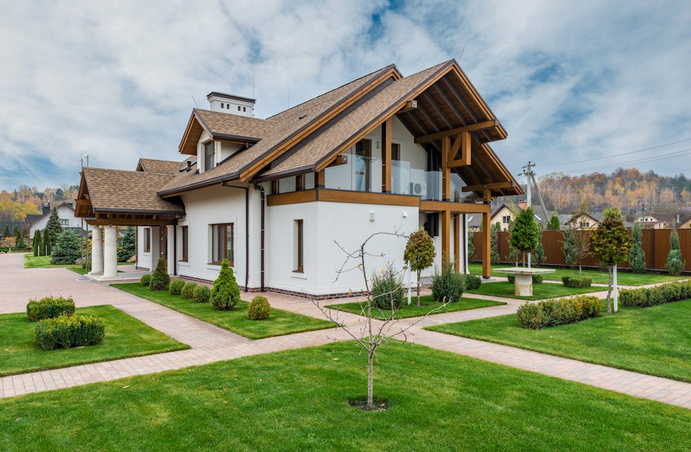
Hardscaping vs. Softscaping: Understanding the Difference and Why Both Matter
When it comes to creating a beautiful and functional outdoor space, landscaping involves more than just planting flowers and shrubs. There are two key components that play a vital role in the overall design: hardscaping and softscaping. While these terms are often used together, they refer to very different elements of landscaping. Understanding the difference between the two and how they work together can help you design a yard or garden that not only looks stunning but also suits your needs. In this article, we’ll explore hardscaping and softscaping, their individual benefits, and why both are important for creating a balanced, inviting outdoor space.
What Is Hardscaping?
Hardscaping refers to the non-plant elements of landscaping. This includes anything that is made from hard materials like stone, wood, metal, or concrete. Hardscaping provides structure, functionality, and durability to your outdoor space. It’s the foundation that supports the softer, living elements of the landscape, creating pathways, seating areas, or retaining walls that are both practical and aesthetically pleasing. Common examples of hardscaping features include:
- Patios and Decks: These are perfect for creating outdoor living spaces, whether for dining, lounging, or entertaining guests.
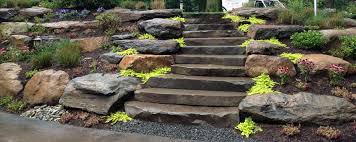
- Walkways and Paths: Paths made from materials like flagstone, gravel, or pavers guide movement through the garden and define different areas of your yard.
- Retaining Walls: These structures help control erosion, create terraced gardens, and add a vertical element to your landscape design.
- Driveways and Parking Areas: These functional areas can be made from concrete, brick, or stone, adding both utility and style.
- Fencing and Gates: These provide privacy, security, and a defined border for your yard while also contributing to the aesthetic of your property.
- Water Features: Fountains, ponds, and waterfalls are considered part of hardscaping and can add elegance and tranquility to your outdoor space.
What Is Softscaping?
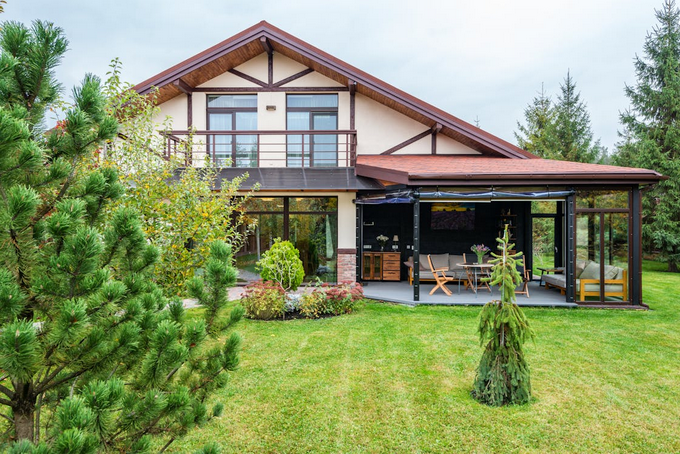
Softscaping, on the other hand, refers to the living, organic elements of your landscape. This includes plants, flowers, trees, shrubs, and grass. Softscaping is what brings color, texture, and life to your outdoor environment, creating visual interest and contributing to the overall ambiance. While hardscaping offers structure, softscaping softens and balances the landscape, adding beauty and seasonal variety.
Common examples of softscaping features include:
- Flower Beds: These areas showcase a variety of seasonal or perennial flowers, providing vibrant color and fragrance throughout the year.
- Lawns and Grass: Grass is essential for creating open spaces for children, pets, or outdoor activities and adds a lush green backdrop to your landscape.
- Shrubs and Bushes: These plants provide structure and fill in gaps between larger trees and smaller flowers, offering texture and seasonal interest.
- Trees: Large trees provide shade, privacy, and a sense of permanence in the landscape, as well as aesthetic appeal through their foliage and flowers.
- Vines and Groundcovers: These plants can fill in spaces, cover bare patches of soil, and soften the edges of hardscaping elements.
Why Both Hardscaping and Softscaping Matter
While hardscaping and softscaping are distinct, they work best when combined in a complementary way. Each element enhances the other, creating a cohesive and balanced outdoor design. Here’s why both are essential:
Functionality and Aesthetic Balance
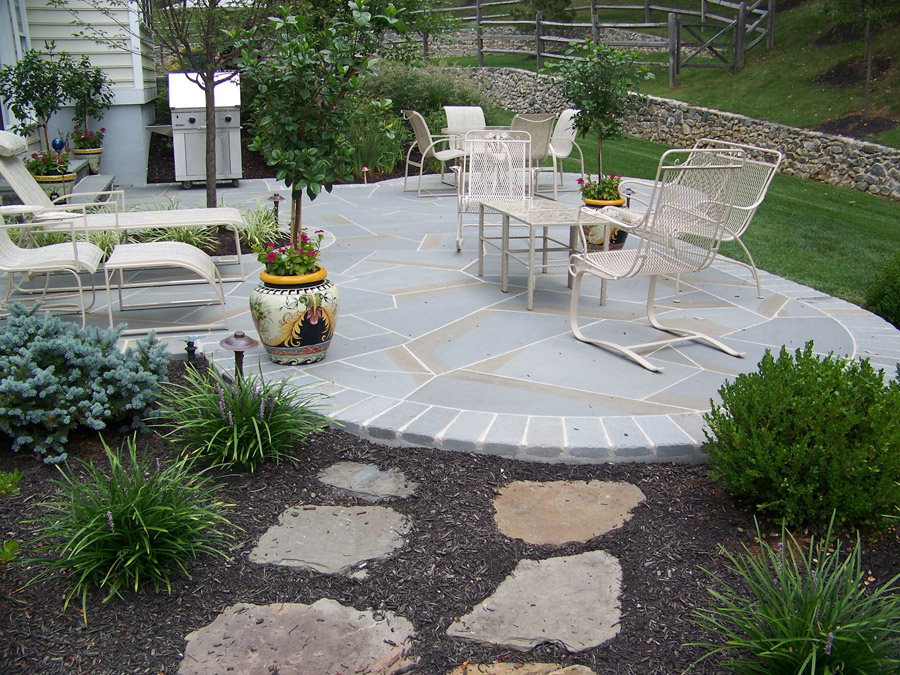
Hardscaping offers structure and functionality, allowing you to create usable spaces like patios, walkways, and outdoor kitchens. These features help you make the most of your outdoor space, whether you’re entertaining, relaxing, or gardening. Softscaping adds beauty, color, and life, softening the rigid lines of hardscaping elements and making the overall landscape feel more inviting and natural. For example, a beautifully designed stone patio surrounded by lush greenery and colorful flowers creates a harmonious blend of both hard and soft elements. The patio provides a functional space for gathering, while the surrounding plants bring life and beauty to the setting.
Long-Term Durability vs. Seasonal Appeal
Hardscaping features, being made from durable materials, provide long-lasting value. They can withstand the elements and require minimal maintenance over the years. For example, a stone pathway can last for decades, while a wooden deck may need refinishing from time to time. Softscaping, on the other hand, offers seasonal variety and dynamic beauty. Plants change with the seasons, offering fresh colors and textures throughout the year.
Environmental Impact and Sustainability
Both hardscaping and softscaping can contribute to sustainability. Hardscaping elements, such as permeable pavers or rain gardens, help with water drainage and prevent soil erosion. These features can reduce water runoff and improve the overall health of your landscape. Softscaping, especially when using native plants, plays a crucial role in supporting local ecosystems.
Hardscaping and softscaping each have a unique role to play in landscaping design. Hardscaping provides the structure and functionality that makes your outdoor space usable, while softscaping adds life, beauty, and seasonal interest. When combined thoughtfully, these elements create a balanced, functional, and visually appealing landscape that enhances the value and enjoyment of your property.
 start to select stone and designing pathways, you should visit private and public gardens to get ideas. Ensure you take pictures of landscaping, which you admire. Ensure you take note of the special features like benches, fountains, and brick-laying patterns, which catch your eye. You can go to a bookstore or library to get some inspiration or even search the internet for the appealing concepts.
 are not forced to stick to certain plans and rules, it is a good idea to have a style in mind. This will help you create synergy between the outdoor and indoor living spaces. Also, if you have a patio or deck, ensure you consider them before going forward. The majority of outdoor structures are usually made of the composite decking as they are considered to be more durable than the traditional wood.