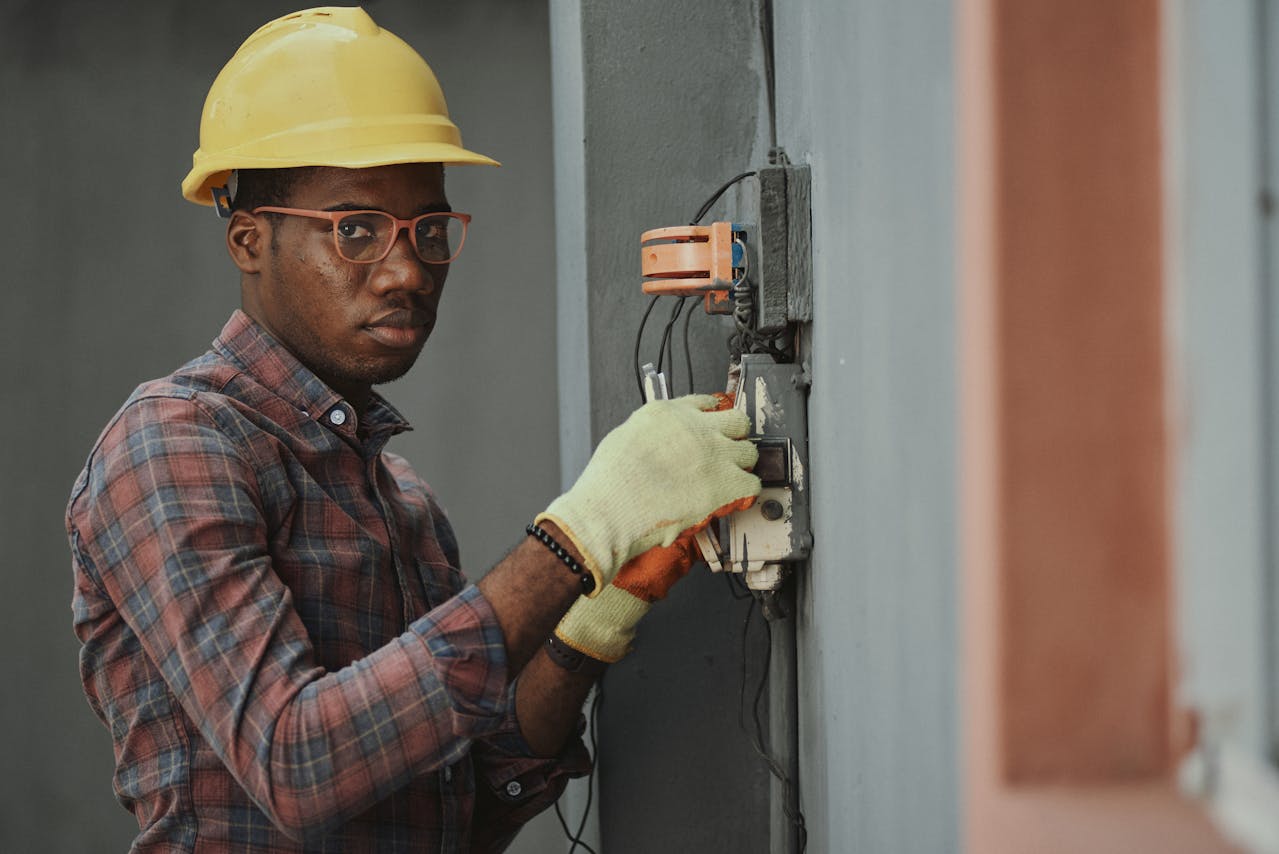
Recognizing the Red Flags: When to Reach Out to an Electrician Without Delay
Have you ever flipped a switch only to be met with flickering lights or, worse yet, a sudden power outage? While brushing off these electrical quirks as mere inconveniences might be tempting, they could signal something far more serious lurking beneath your home’s surface. Electrical issues can escalate quickly, potentially risking your safety and property. In this post, we’ll highlight the warning signs that indicate it’s time to call in the pros. Whether you’re dealing with mysterious buzzing sounds or outlets too warm to touch, understanding these red flags will empower you to take action before minor annoyances become major headaches.
Flickering or Dimming Lights
 If you notice that your lights flicker or dim, especially when you turn on other appliances, it could be a sign of an overloaded circuit or a loose connection somewhere in your electrical system. This can also happen if there’s a problem with the wiring, the light fixture itself, or even the electrical panel. While a single flickering light may not seem like a big deal, recurring flickering or dimming can indicate a bigger problem, such as faulty wiring or a failing electrical panel. Either way, it should be checked out sooner rather than later to avoid further damage or a potential fire hazard.
Burning Smells or Strange Odors
A burning smell coming from outlets, appliances, or your electrical panel is a major red flag that something is wrong with your wiring. Overheated wires or faulty circuits can cause the insulation to melt, leading to smoke or even electrical fires. If you smell anything burning—especially near outlets or appliances—stop using the affected item and call an electrician immediately. Never ignore this sign, as it could be the first indication of a fire hazard in your home. The quicker you act, the safer you’ll be. 24/7 emergency electrical services in Fresno are always available at Pacific West Electric and can help eliminate fire hazards in your home.
Circuit Breaker Keeps Tripping
If your circuit breaker keeps tripping, it’s a sign that your electrical system is overwhelmed or there’s an issue with the wiring. Breakers are designed to trip when there’s an overload, short circuit, or a fault in the wiring. While it may seem like a minor inconvenience, if your breaker is tripping frequently, it could indicate an underlying issue that needs immediate attention. You may have too many devices running on a single circuit or a deeper issue like faulty wiring or an aging electrical panel. An electrician can assess the situation, identify the cause of the trips, and provide a safe solution.
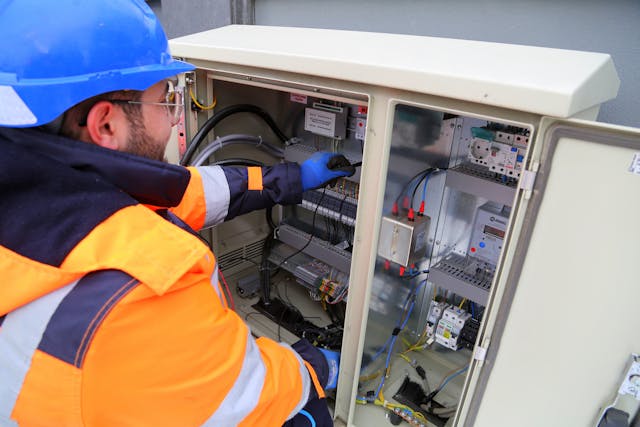
Power Outages in Certain Areas of the Home
If the power goes out in some regions of your home but not the entire house, you could be dealing with a localized electrical issue. This could be a sign of faulty wiring, an issue with the circuit breaker, or a damaged electrical panel. Regardless of the cause, a partial power outage should be taken seriously. You’ll want to get an electrician to diagnose the problem before it escalates into a bigger issue. A professional will have the expertise to identify the cause and ensure the problem is fixed correctly.
Sparks or Electrical Shocks
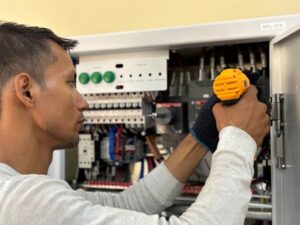 This is a major safety concern if you see sparks or experience an electrical shock when plugging in appliances or touching outlets. Sparks often indicate that there’s a loose connection or short circuit somewhere in your electrical system. Similarly, electrical shocks (even small ones) can indicate grounding issues, faulty wiring, or a damaged appliance. In these cases, it’s crucial to stop using the affected outlet or appliance immediately and call an electrician. Electrical shocks can be dangerous; sparks can quickly lead to fires if left unaddressed.
Warm or Discolored Outlets
If an outlet feels warm to the touch or has scorch marks, it could indicate an issue with the wiring or an overload. This is a severe problem that should not be ignored. Overheated outlets are a fire risk and should be inspected by a professional immediately. Discoloration around outlets often signals that heat builds up due to faulty wiring or a poor connection. An electrician must replace the outlet and fix any underlying issues to prevent further damage.
Old or Outdated Wiring
If your home is older (built before the 1980s) and still has its original wiring, it’s a good idea to have an electrician come in to inspect it. Older wiring, especially aluminum wiring, can pose serious risks such as overheating or electrical fires. If your home’s electrical system hasn’t been updated in a while, it might not be equipped to handle modern electrical demands, leading to frequent outages or dangerous situations. If you’ve recently added new appliances or are planning a home renovation, upgrading your electrical wiring should be a top priority. A licensed electrician can assess whether your home’s electrical system is up to code and make the necessary upgrades.
Electrical problems can escalate quickly if left unchecked, so it’s important to act fast when you notice any of the abovementioned signs. Don’t wait for things to worsen—calling a licensed electrician immediately can help prevent more serious damage and keep your home safe. Whether it’s flickering lights, burning smells, or electrical shocks, always trust your instincts and get professional help when needed.